Why Learning Feels Hard and How To Master It
Mike Collette • December 2, 2024
Rewiring Your Brain: Here's How It Works
Think back to the last time you tried to learn something new. Maybe it was mastering a skill at work, picking up a hobby, or—if you’re like many busy parents—figuring out how to balance a hundred spinning plates at once. Did you feel frustrated? Did it seem like your brain was actively resisting your efforts?
You’re not alone. Learning something new—or unlearning an old habit—feels hard because it is hard.
But here’s the good news: that resistance you feel is your brain adapting, rewiring itself in real-time. Understanding how this works can change not only the way you approach learning but how you overcome frustration and stick with the process.
Let’s explore how your brain operates when faced with a challenge and why rest is just as important as effort. Along the way, we’ll use two examples—a fitness skill and a life skill—to show how this science applies to real life, including lessons we apply every day at Prototype Training Systems, a coaching and training facility in Westborough, Massachusetts, dedicated to improving physical and mental fitness.
The Science of Learning: What’s Happening in Your Brain?
Imagine your brain as a dense forest. Every skill, habit, or piece of knowledge you’ve ever learned is like a well-trodden path cutting through the trees. But when you attempt something new, there’s no path yet. You have to hack your way through the brush. It’s slow, messy, and often discouraging.
This is where neuroplasticity comes in. Neuroplasticity is your brain’s ability to create new paths and strengthen them with repetition. But here’s the catch: making these new connections feels uncomfortable at first. The frustration you feel is a signal that your brain is working hard to adapt.
Here’s what’s happening under the hood:
Effort Creates Agitation
When you focus on learning, your brain releases norepinephrine. This neuromodulator heightens your awareness but also causes agitation. It’s your brain’s way of saying, “This is hard, but important.”
Focus Directs Change
To build new pathways, your brain relies on acetylcholine, which helps you focus intensely on specific tasks. This is why breaking skills into smaller, manageable steps is so effective.
Small Wins Fuel Progress
Every time you make progress—whether it’s getting closer to a goal or completing part of a task—your brain releases dopamine, reinforcing the behavior and motivating you to keep going.
Rest Solidifies Learning
After effort, your brain needs time to recover and consolidate what you’ve practiced. During sleep, your brain strengthens the new connections you’ve worked hard to create, turning deliberate actions into automatic ones.
Practical Example #1: Mastering Double-Unders
At Prototype Training Systems, one of the skills we often teach in our group fitness classes is the double-under—a jump rope skill requiring precise coordination and rhythm.
Step 1: Recognize the Problem
As you struggle, your brain is gathering feedback from your senses: how the rope feels, the sound it makes, the timing of your jumps. This sensory input is crucial, even if it doesn’t seem helpful yet. It’s like gathering data for a map.
Step 2: Break It Down
Instead of trying to master everything at once, isolate the components:
Coaching Tips:
- Focus on wrist movement: small, controlled rotations.
- Work on timing: jump just as the rope hits the ground.
- Adjust your posture: keep your body upright and stable.
This is where acetylcholine sharpens your focus, allowing you to refine specific elements of the skill.
Step 3: Practice with Intention
Short, focused practice sessions—5-10 minutes at a time—are far more effective than long, unfocused efforts. Celebrate small wins, like completing three consecutive double-unders, to trigger dopamine and stay motivated.
Step 4: Rest and Recover
After practice, take time to rest. Sleep and techniques like non-sleep deep rest (NSDR) help consolidate the neural changes you’ve made. Over time, what once felt clunky becomes smooth and automatic.
Practical Example #2: Relearning Communication Skills
Now let’s step out of the gym and into your daily life. Imagine you’ve noticed a habit of interrupting others during conversations—a pattern you want to unlearn.
At first, it feels awkward to hold back and let others finish speaking. Your brain is resisting because it’s used to the old pathway.
Step 1: Identify the Habit
Awareness is the first step. Maybe you catch yourself interrupting in a meeting or during a family conversation. That moment of discomfort is norepinephrine at work, nudging your brain toward change.
Step 2: Replace the Old Habit
Instead of interrupting, focus on active listening:
Coaching Tips:
- Maintain eye contact.
- Pause and count to three before speaking.
- Reflect on what the other person is saying.
Step 3: Practice Daily
Every conversation becomes an opportunity to practice. The more you reinforce the new behavior, the more dopamine rewards you for staying on track.
Step 4: Reflect and Rest
At the end of the day, reflect on your progress. Did you interrupt less? How did it feel to listen more? Sleep will solidify these changes, making it easier to pause and listen next time.
Why Rest Matters as Much as Effort
It’s easy to believe that sheer effort is the key to mastering a skill or breaking a habit. But without rest, your brain can’t do the heavy lifting of rewiring itself.
During sleep, your brain:
- Strengthens new neural connections.
- Clears out unnecessary information.
- Transforms effortful actions into reflexive behaviors.
This is why sleep-deprived learning often feels like spinning your wheels. To speed up the process, consider incorporating NSDR techniques. Huberman’s NSDR protocol is a great place to start.
From Frustration to Growth: Embrace the Process
Understanding how your brain works changes the game. Instead of seeing frustration as a sign of failure, you can recognize it as evidence that your brain is adapting. Whether you’re mastering double-unders in a personal training session at Prototype Training Systems or improving communication at work, the formula is the same:
- Effort + Frustration: Accept that learning feels hard because it is.
- Focus + Small Wins: Break tasks into manageable steps and celebrate progress.
- Rest + Recovery: Prioritize sleep and NSDR to solidify what you’ve learned
Final Thoughts
Learning and unlearning are lifelong skills. At Prototype Training Systems, we integrate these principles into every program, from customized training plans to small group coaching sessions. Whether you’re a busy parent in Westborough, MA, or a working professional seeking better fitness and focus, our mission is to help you thrive physically and mentally.
Visit us in Westborough, Massachusetts, and see how our tailored training programs can help you achieve your goals. Let’s work together to transform frustration into growth—one neural connection at a time.
Additional Resources
For a deeper dive into the science behind learning, check out these resources:
Scientific American: Neuroplasticity Explained
Previous Blogs
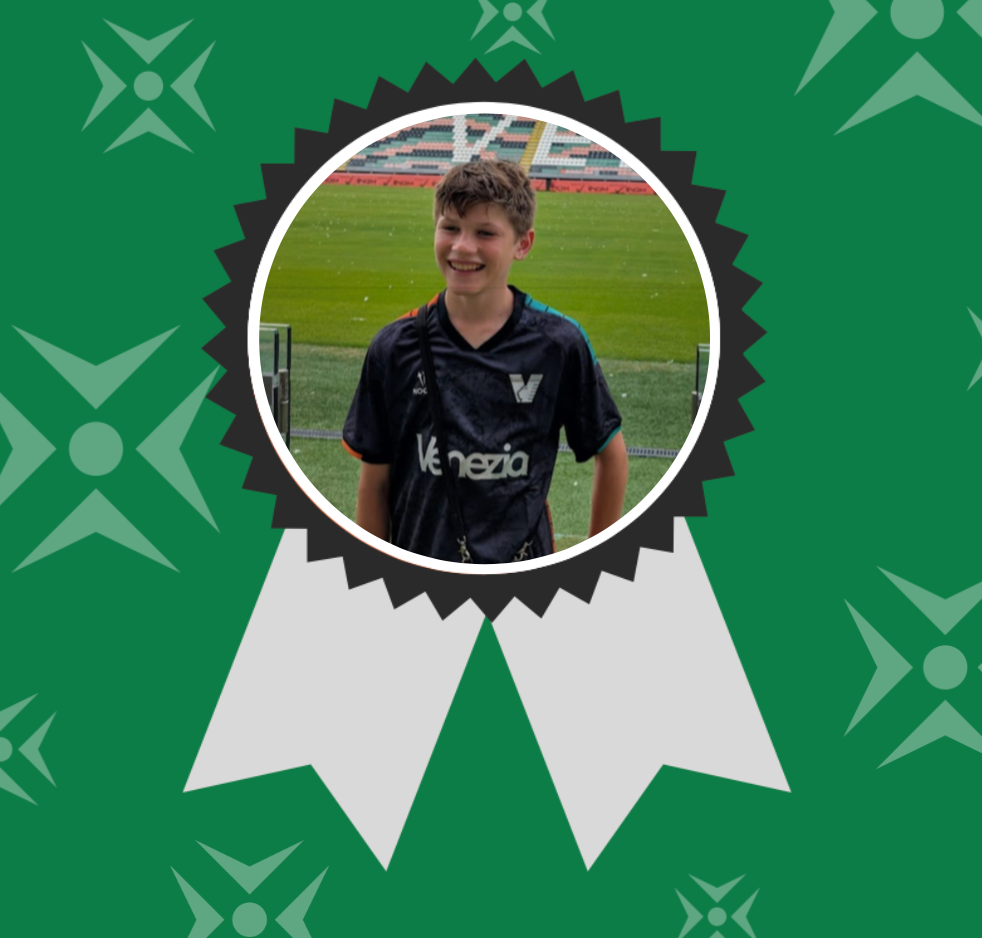
Enzo is a standout part of the Prototype community—supportive, determined, and a pleasure to be around. His commitment to consistency, camaraderie, and long-term progress makes him a perfect example of what PTS is all about. Below he answers some questions and shares his experience. Share your experience at Prototype—favorite memories, moments, or stories or what’s your favorite part/what do you look forward to? When I first went to the gym, coming from the Nike camps, being at a real gym was a great experience. The coaches were all excellent and helped with my growth. Who at Prototype has made the biggest impact on you and why? Steve Cimino - has coached me 1 on 1 and continues to build out my program at the gym. What are your hobbies and activities outside the gym? Soccer, and more soccer. I also ski in the winter. How has Prototype helped you or solved a problem for you? It has made me better for sports for overall speed and strength, this translates to my soccer programs. What are your current fitness goals? To get faster on the soccer field. Favorite Quote No quote, but I like movies.
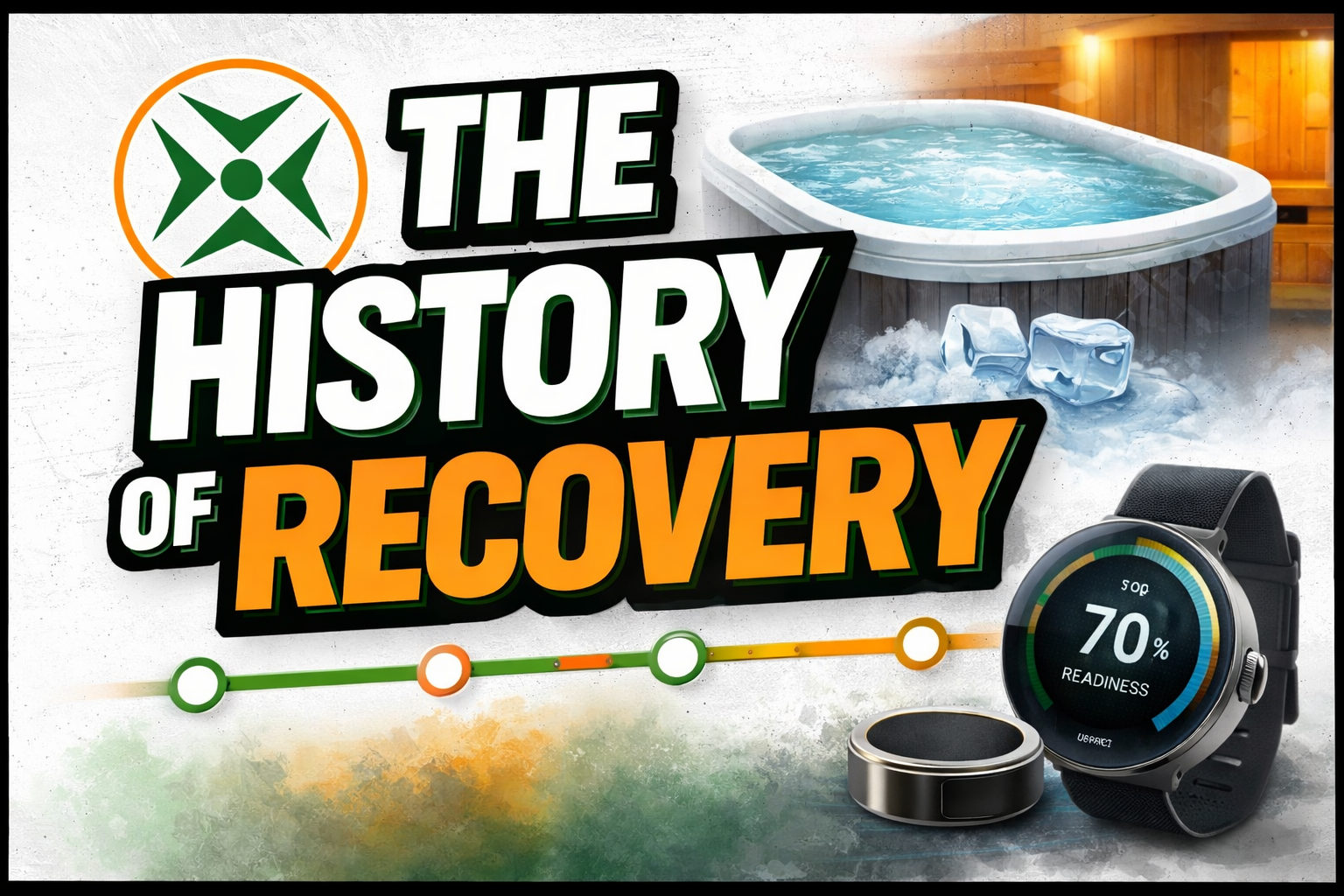
Recovery isn’t new—our focus on it is. Explore a quick timeline from early stress science to burnout research to wearables and recovery studios.

Sharang is a standout part of the Prototype community—steady, positive, and always putting in the work—and his commitment to consistency, camaraderie, and long-term progress makes him a perfect example of what PTS is all about. Below he answers some questions and shares his experience. Share your experience at Prototype—favorite memories, moments, or stories or what’s your favorite part/what do you look forward to? What stands out most about Prototype is the camaraderie. The members, especially in the 7AM and Noon classes, create a great balance of fun and focus. Everyone is friendly and supportive, but when it’s time to work, people take the WODs seriously and push themselves to improve. That combination can be hard to find. All the coaches play a huge role in setting that tone. My favorite moments are the everyday ones i.e. showing up, putting in the work together, leaving class feeling accomplished. What I look forward to most is continuing to train alongside people who genuinely enjoy the process and want to get better. “Because summer’s coming.” Who at Prototype has made the biggest impact on you and why? As a dad of two young daughters, the people who’ve made the biggest impact on me at Prototype are the women in the gym. They all train with confidence, strength, consistency and set a powerful example. It’s the kind of environment I hope my daughters grow up seeing where strength is normal and earned. What are your hobbies and activities outside the gym? I dabble a bit in photography, star gazing and love to travel. Playing atrocious golf. How has Prototype helped you or solved a problem for you? Prototype has helped me stay active. There’s a real sense of happiness and accomplishment after each workout, and that feeling has become addictive in the best way. Knowing I’ll leave class feeling stronger, physically and mentally, keeps me coming back. Prototype has turned working out from something I should do into something I genuinely want to do, which has made a huge difference in maintaining a sustainable fitness routine. What are your current fitness goals? Steady progress and longevity. If I can keep lifting, moving well, and feeling good years from now, I’ll consider that a win. I hope my future self will thank my present self. Favorite Quote If you can’t explain it simply you don't understand it well enough.
Climb to New Heights
Prototype Training Systems is more than a gym - it is a lifestyle. Join us today!