Developing Young Leaders: Leadership Through Peer Coaching
Mike Collette • December 7, 2024
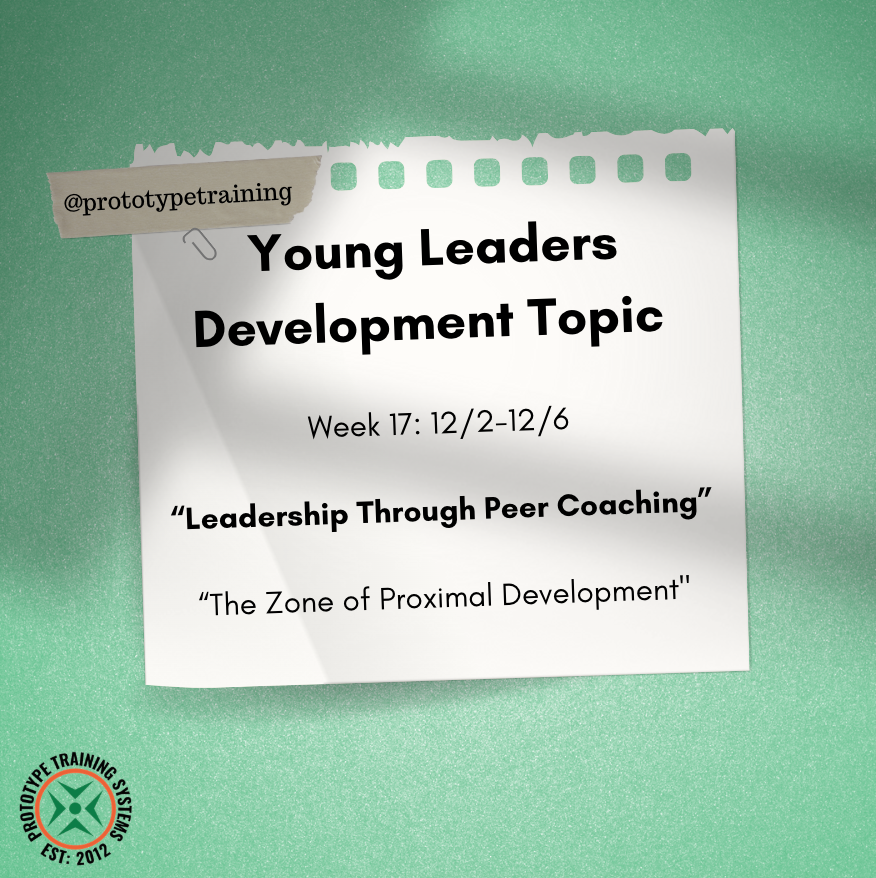
Leadership Through Peer Coaching: The Zone of Proximal Development
Zone of Proximal Devleopment
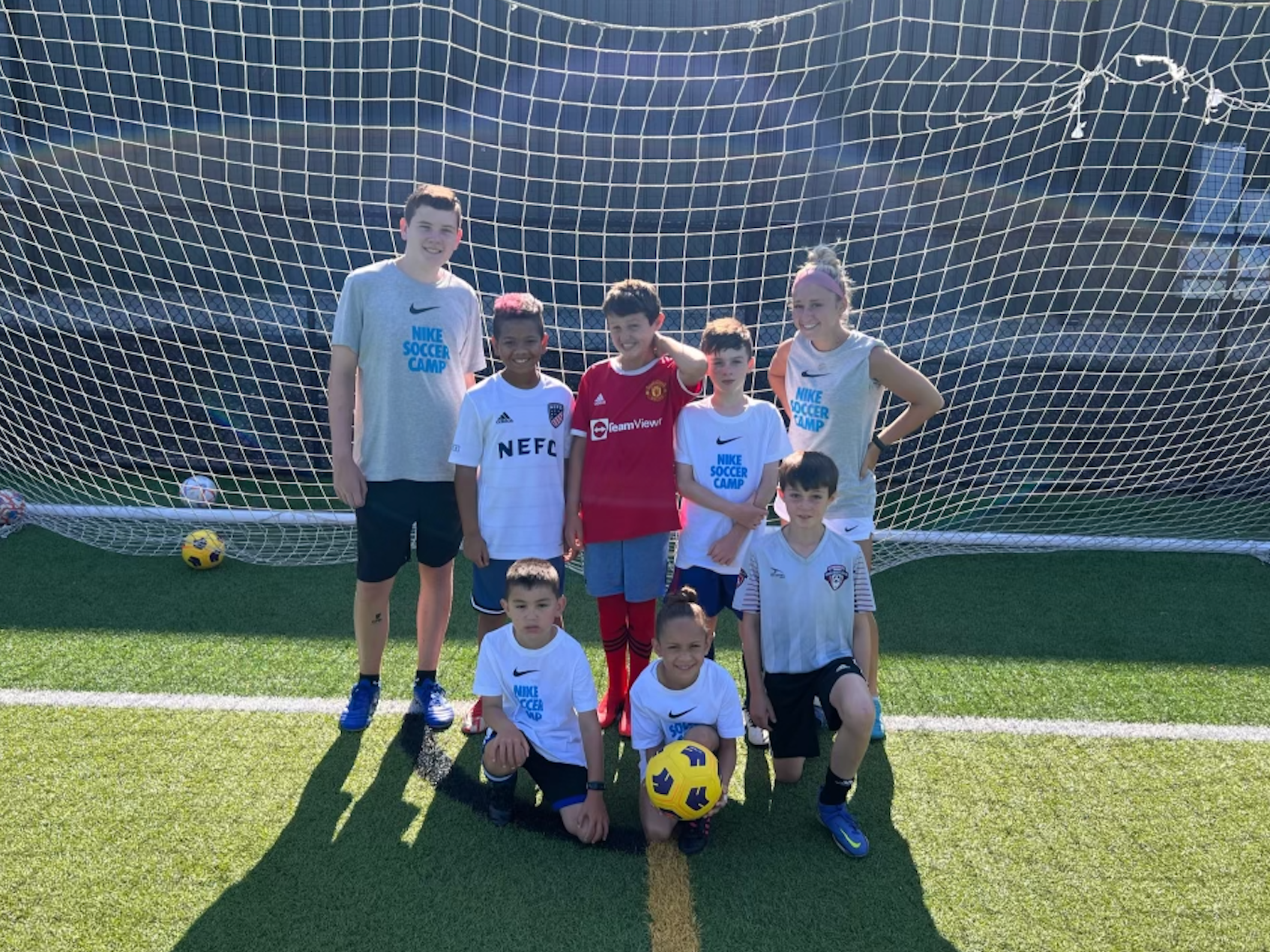
Vygotsky's zone of proximal development (ZPD) refers to the space where learners can achieve more with guidance than they could on their own. In our Long-Term Athletic Development (LTAD) program, the concept of ZPD is put into practice through peer coaching. Older athletes, who have established strong skills and knowledge through doing the course themselves, act as mentors to younger, less experienced participants. By guiding them through exercises, explaining techniques, and offering feedback, older peers help bridge the gap between what the younger participants can do independently and what they can achieve with support. A similar model is used in our Nike Soccer Camps, where older soccer players mentor and coach younger participants. This model helps older peers develop leadership, communication, and empathy skills while empowering younger participants to learn more effectively from relatable role models, building their confidence and accelerating their growth.
Reinforcing Knowledge by Teaching
Explaining techniques, form, and strategies forces the teacher to break down their knowledge, reinforcing their skills in the process. Take Caroline and Owen, for example. As participants who have spent years honing their athletic abilities, they have now taken on significant roles as caoches within the LTAD program. Gaining practical coaching experience has reinforced their own knowledge and and solidified their leadership capabilities. Similarly, Gaby and Abby, who teach at the Nike Soccer Camps, use their expertise to guide younger players, solidifying their own understanding in the process.
Building Leadership and Responsibility
Leading younger kids in training gives a sense of responsibility and ownership. They learn that leadership is about empowering others, not just being in charge. The confidence gained from mentoring helps prepare them for future leadership roles, both in sports and life. This will help them when figuring out their future career aspirations.
Developing Empathy and Communication Skills
Teaching younger peers requires patience and clear communication. Being able to adjust coaching style to suit the needs of younger learners, fostering empathy and emotional intelligence. These interactions help them become more effective communicators and more understanding leaders.
Relatable Role Models
When younger kids are coached by older peers, they gain access to mentors who understand their struggles. The proximity in age makes the guidance feel more accessible and relatable, providing a positive example of how to grow and improve. Younger athletes coached by Caroline and Owen benefit from their peers’ shared experiences and understandings of the challenges that come with skill-building and growth.
Engaged Learning
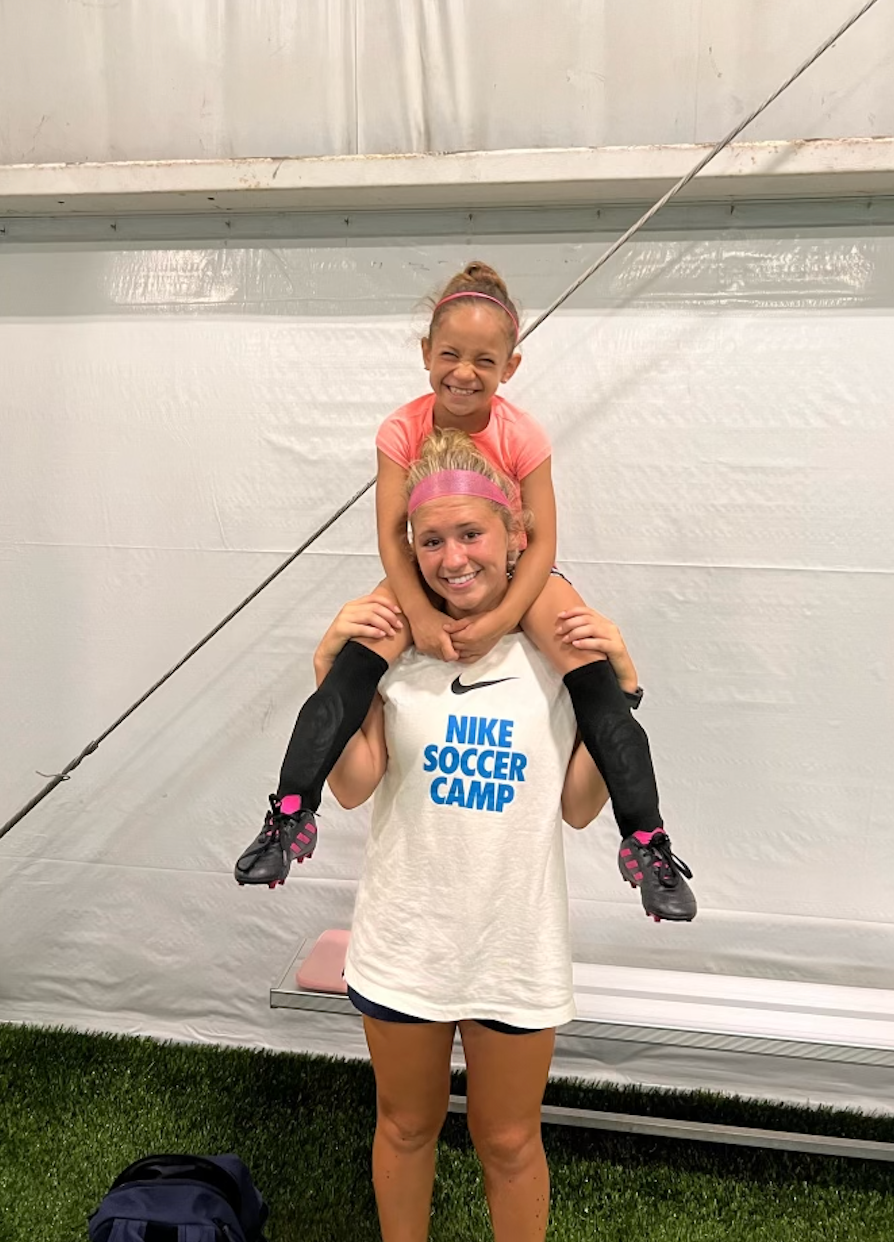
Younger participants often feel more comfortable asking questions and seeking feedback from peers than adults. This informal, approachable coaching style encourages more interaction, helping younger kids learn faster and with greater confidence. Gaby and Abby, who assist with the Nike Soccer Camp, exemplify how peer coaching creates a comfortable atmosphere for younger participants. During the camp, Gaby and Abby lead drills, share tactical insights, and provide encouragement that resonates with younger players. The positive reinforcement from older kids builds self-esteem in younger participants. As they see improvements and gain encouragement, they develop a stronger sense of confidence, which motivates them to continue progressing.
Proximal zoning, when applied to exercise, creates a powerful cycle of growth. Older kids gain essential leadership skills while mentoring younger peers, and in turn, the younger kids receive valuable guidance and support.
Previous Blogs
Join us Sunday, April 26th for two incredible events at Prototype Training Systems — the 2026 Lift Off partner strength competition and the Mobile Polar Plunge benefiting Special Olympics Massachusetts. All ages welcome.
The 2026 Prototype Open results and recap. Read it here and see how the 3 weeks unfolded!
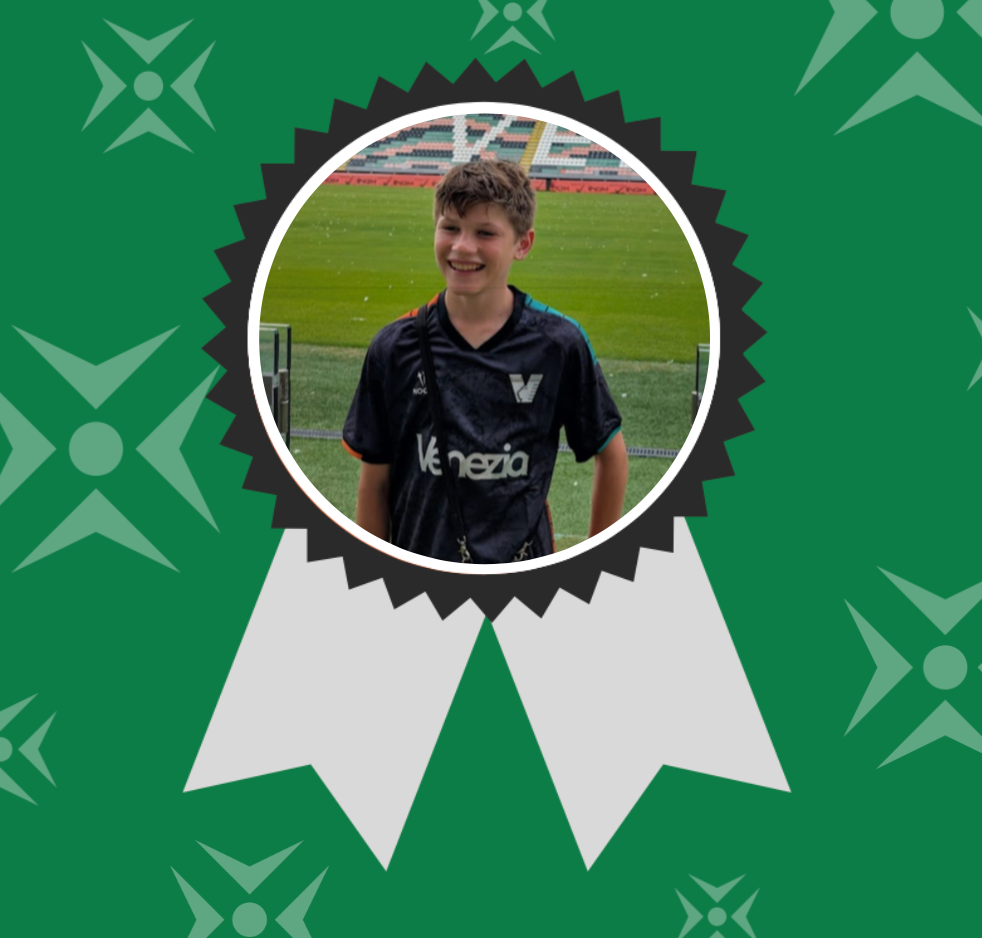
Enzo is a standout part of the Prototype community—supportive, determined, and a pleasure to be around. His commitment to consistency, camaraderie, and long-term progress makes him a perfect example of what PTS is all about. Below he answers some questions and shares his experience. Share your experience at Prototype—favorite memories, moments, or stories or what’s your favorite part/what do you look forward to? When I first went to the gym, coming from the Nike camps, being at a real gym was a great experience. The coaches were all excellent and helped with my growth. Who at Prototype has made the biggest impact on you and why? Steve Cimino - has coached me 1 on 1 and continues to build out my program at the gym. What are your hobbies and activities outside the gym? Soccer, and more soccer. I also ski in the winter. How has Prototype helped you or solved a problem for you? It has made me better for sports for overall speed and strength, this translates to my soccer programs. What are your current fitness goals? To get faster on the soccer field. Favorite Quote No quote, but I like movies.
Climb to New Heights
Prototype Training Systems is more than a gym - it is a lifestyle. Join us today!