U.S vs. European Soccer: What are we developing?

Mike Collette • July 20, 2026
Youth Soccer Development · 10 min read

U.S. vs. Europe: What Are We Really Developing?

The biggest gap between American and European youth soccer may not be talent. It may be what each system is designed to reward.

The short answer

What is the biggest difference between U.S. and European youth soccer development?

At the elite level, European professional clubs generally invest in players because better players create sporting and financial value. Much of American youth soccer is funded by family fees, so clubs must also attract and retain paying parents. Those different incentives can shape access, coaching priorities, and how success is measured.

The United States’ 4–1 loss to Belgium in the 2026 World Cup was difficult to watch. Belgium looked more comfortable solving problems, managing moments, and executing the game at speed.

It would be too simple to blame that result on youth soccer. National-team performance reflects coaching, player availability, tactics, form, and countless decisions made over many years. But the game raised a question that Steve Cimino and I kept returning to:

Are we building players for the game they will face later—or teams that can win right now?
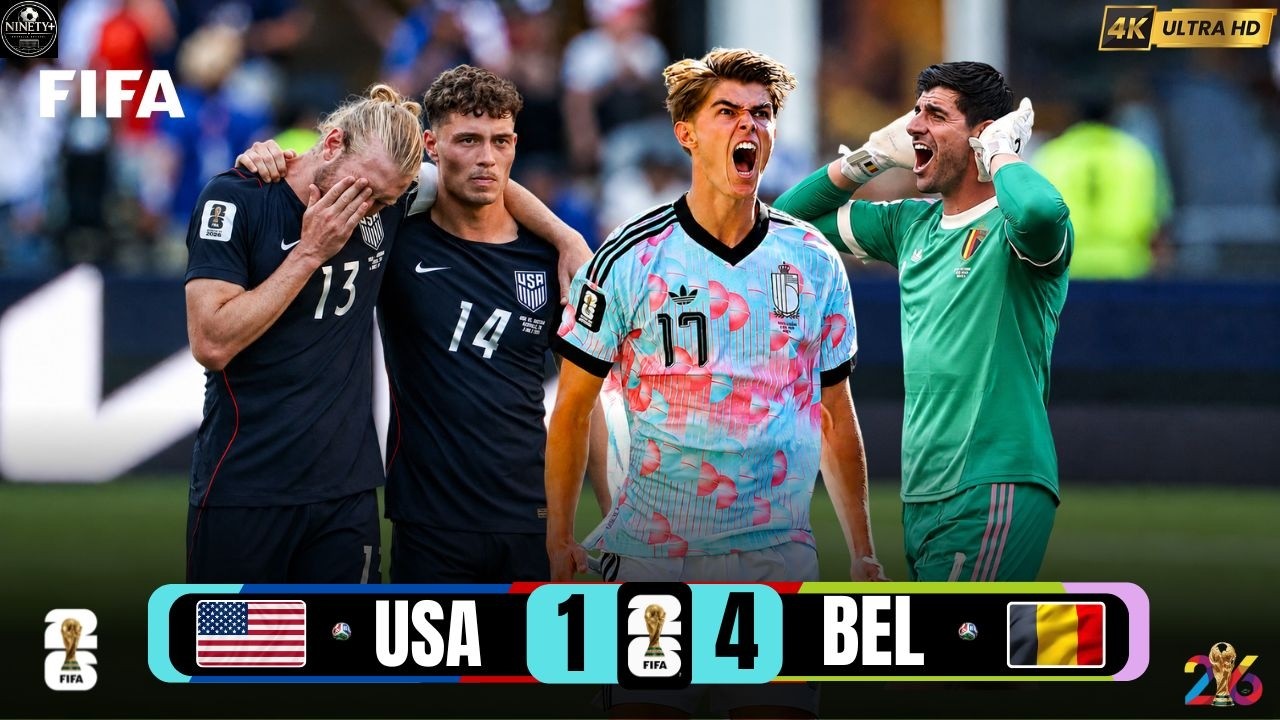
Watch the match highlights

USA 1–4 Belgium: the game that prompted the question

As you watch, look beyond the score. Notice how quickly players recognize pressure, create passing options, control their first touch, and make the next decision. Those actions are where years of technical, tactical, physical, and mental development meet.

Video not loading? Watch on YouTube →

How does the European academy model reward player development?

In a professional European academy, developing a player is an investment. If that player reaches the first team, the club gains a valuable contributor without purchasing one from somewhere else. If the player transfers, the developing club may receive a fee or development compensation.

FIFA’s training-reward system exists specifically to compensate clubs for developing young players. In England, the Premier League reports that more than £2.5 billion has been invested in youth development since 2012, while academy graduates have generated more than £4 billion in transfer and loan fees.

Belgium also evaluates its professional academies on their infrastructure, staff, player support, and ability to move young players forward. Development is not just a slogan. It is connected to the structure and economics of the professional game.

That does not mean every soccer program in Europe is free or every European academy is excellent. Grassroots clubs, private programs, and commercial camps may charge fees. Professional academies are highly selective, and many young players are eventually released. Europe is not one uniform system.

But the underlying incentive is meaningful: a professional club can create value by making an individual player better.

Why does the American pay-to-play model create different priorities?

Much of American youth soccer runs on family payments. Registration, coaching fees, uniforms, travel, tournaments, and year-round programming fund the organization.

Again, this is not an accusation that American coaches do not care. Many coaches and club leaders are deeply committed to their players. It is an observation about the business model: when families fund the program directly, the parent becomes a customer as well as a partner in the child’s development.

Parents naturally want visible evidence that their investment is working. Wins, rankings, roster placement, tournament invitations, and team labels are easier to see than gradual improvements in scanning, first touch, movement, or decision-making.

That can create pressure to produce immediate team results, even when those results do not represent long-term player development.

Short-term pressure

A team-first question

What does this team need to win this weekend?

  • Build around the strongest current players
  • Keep players in fixed positions
  • Reduce mistakes and experimentation
  • Measure progress through results and rankings
Long-term development

A player-first question

What does this player need now to become better two years from now?

  • Build complete technical foundations
  • Expose players to varied problems and roles
  • Use mistakes as information
  • Measure progress through individual growth

Does a development-first program care about winning?

Absolutely. Competition teaches courage, accountability, teamwork, composure, and the ability to execute under pressure. Players should learn how to compete and how to win.

The better question is when winning should become the dominant priority.

A young team can win by relying on one fast forward, one physically dominant defender, or a direct style that minimizes mistakes. Those choices may be effective today. They may also prevent players from developing the skills and decisions the game will demand later.

Winning is part of development. It is not the definition of development.

Early in the journey, players need room to experiment, play multiple roles, solve problems, and make mistakes. As they mature, tactical responsibility and performance under pressure should become increasingly important.

Patience is not the absence of standards. It is understanding which standards matter at each stage.

What foundation does a young soccer player actually need?

“Build the foundation” can become empty coaching language unless we define it. For us, a complete soccer foundation has four connected parts.

01

Technical

First touch, receiving, passing, striking, dribbling, ball protection, and one-on-one ability.

02

Perceptual

Scanning, recognizing pressure and space, reading cues, and choosing the right action at speed.

03

Physical

Movement quality, coordination, strength, speed, balance, durability, and age-appropriate athletic development.

04

Mental

Confidence, focus, resilience, coachability, emotional control, and a healthy relationship with competition.

Technical training cannot live only in lines and cone patterns. A player owns a skill when they can recognize when to use it, execute it against pressure, and adapt when the first solution disappears.

Team tactics matter, but tactics tell players what to do. Technique and awareness give them the ability to do it.
Our response

Why we built Prototype Academy differently

Prototype Academy is a paid program operating inside the American youth sports system. The difference is what that payment supports and how we define success.

Our job is not simply to prepare a lineup for the next game. We are building players and young people. Beginning around age nine, Academy athletes receive professional soccer coaching, age-appropriate strength and conditioning, mental performance development, and access to recovery resources.

We still compete. We still want players to experience winning. But we will not sacrifice the foundation a player needs tomorrow for a result that only matters today.

Soccer development

Professional coaching focused on technical quality, game understanding, decision-making, and confident play.

Strength & conditioning

Age-appropriate movement, coordination, speed, strength, power, and injury-risk reduction.

Mental performance

Tools for confidence, composure, resilience, focus, accountability, and responding to adversity.

Recovery

Education and resources that help young athletes recover, manage workload, and build sustainable habits.

The people behind the philosophy

Coached by professionals who know the pathway

Our perspective comes from coaching, competing, studying performance, and helping players navigate the technical, physical, and mental demands of soccer.

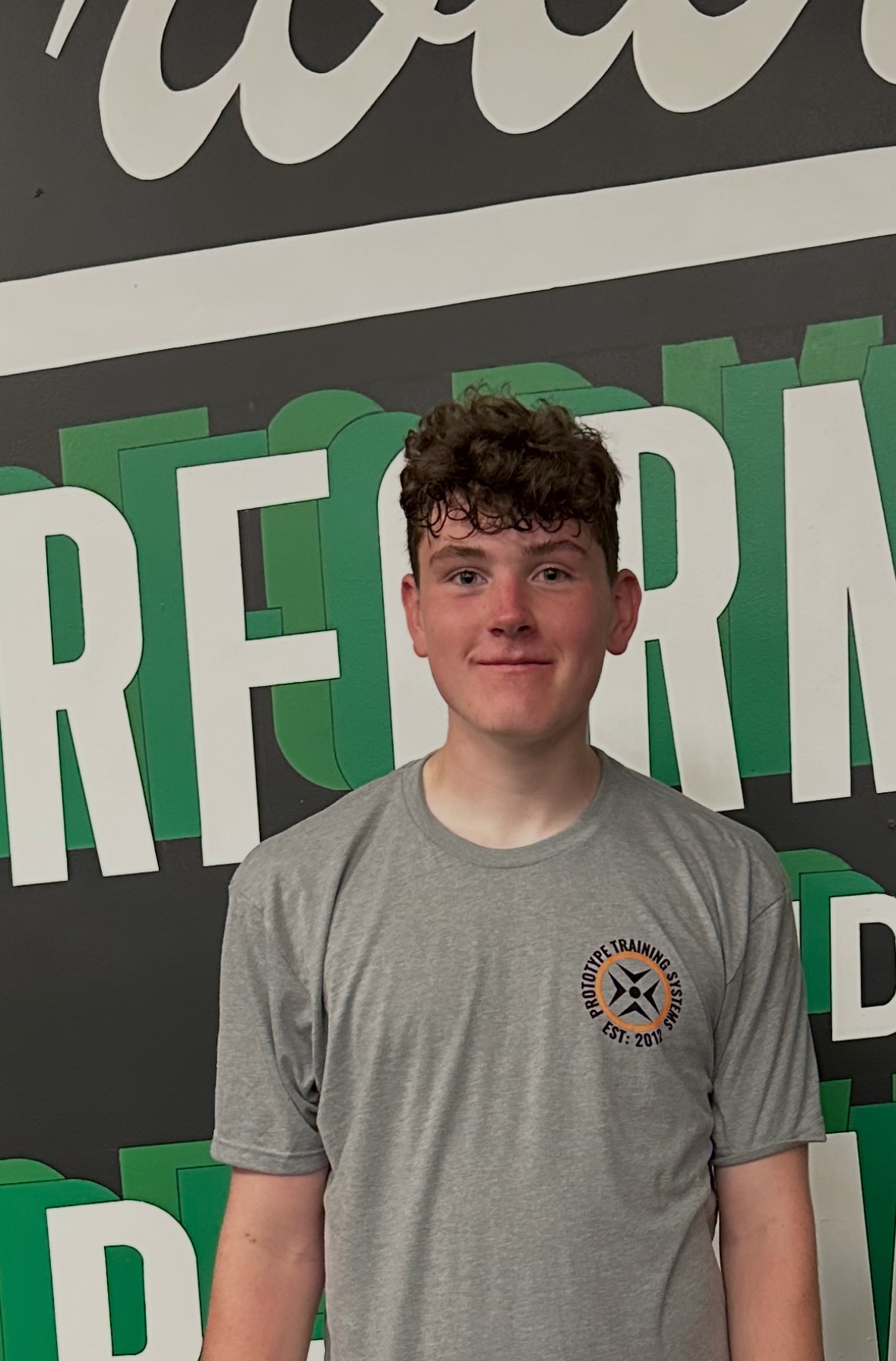
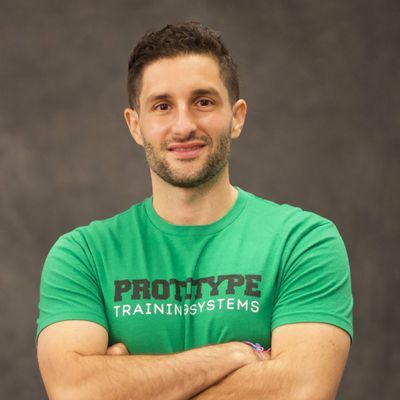
Steve Cimino
Director

Steve Cimino

Steve leads youth development and sports performance at Prototype and previously worked in skills and performance development with the New England Revolution.

  • ISSA Personal Trainer
  • ICA Fitness & Conditioning for Soccer License
  • NSCAA National Diploma
  • CPR/AED Certified
  • Former New England Revolution — Skills & Performance Development
Santiago Gomez
Sports Performance & Data

Santiago Gomez

Santiago combines Division I playing experience with exercise science, performance testing, and the use of data to improve athletic performance.

  • Bryant University — NCAA Division I Men’s Soccer
  • B.S. Health Science, Exercise Science concentration
  • M.S. Healthcare Informatics & AI in progress
  • Exercise physiology, performance testing & S&C experience
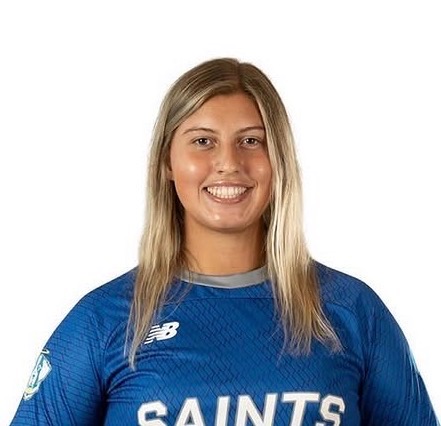
Gaby Baker
Academy Coach

Gaby Baker

A collegiate soccer player and Prototype-developed athlete, Gaby understands the physical and mental demands of player growth firsthand.

  • Emmanuel College — Starting Goalkeeper
  • Exercise Science undergraduate
  • Assistant Director, Nike Soccer Camps
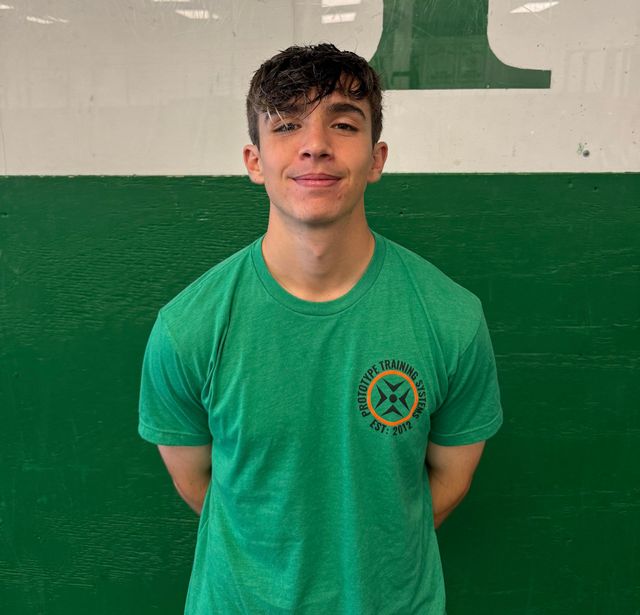
Owen Silva
Academy Coach

Owen Silva

Owen is a Prototype-developed athlete and goalkeeper who brings firsthand experience from the player pathway into his coaching.

  • SURF National Player
  • Hopkinton Boys Team MVP
  • Emmanuel College — Goalkeeper
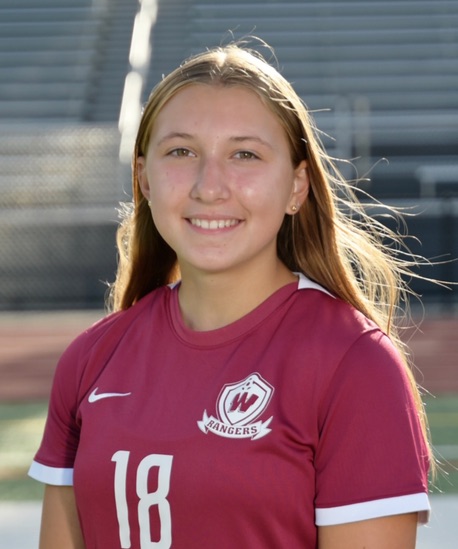
Caroline Queenan
Academy Coach

Caroline Queenan

Caroline brings high-level playing experience, youth coaching, leadership, and a firsthand understanding of the college soccer pathway.

  • Saint Anselm College Soccer Commit
  • Westborough High School Varsity Soccer Captain
  • FC Stars — 2024 Captain
  • 2x All-State · 3x All-Star · 3x Team MVP · League MVP
  • Prototype Junior Coach (LTAD) · Nike Soccer Camp Coach
  • CPR/AED Certified
Jason Fam
Academy Coach

Jason Fam

Jason played town, club, and varsity soccer before training and competing in Germany, and now helps players build confidence and resilience.

  • US Soccer Safe Sport Certified
  • Town, club, varsity & international training experience
  • Focused on player confidence, resilience & long-term development
Ella Rust
Academy Coach

Ella Rust

Ella brings competitive soccer experience and a genuine passion for helping young players build confidence and skill.

  • Competitive soccer experience
  • Youth skill and confidence development

Coaching roles and credentials current as of July 2026.

What should parents ask a youth soccer program?

Parents should be able to ask more than whether a team wins or which league it plays in. They should ask:

  • How does the program measure individual player improvement?
  • How much training time is spent on technical development?
  • Are players allowed to experiment and make age-appropriate mistakes?
  • How are strength, movement, mindset, and recovery addressed?
  • Will the coach make a developmental choice even when it may not help this weekend’s result?
  • Is the player becoming more capable, confident, and excited to play?

The United States does not need to copy Europe in every respect. Our geography, school sports, professional structure, and community traditions are different.

But we can learn from systems that treat player development as a long-term investment. That starts by being honest about what our programs reward, what our coaches prioritize, and what our children actually need.

The purpose of youth soccer is not simply to build winning youth teams. It is to build capable, confident, complete players who are ready for whatever comes next.

Sources and further reading

  1. U.S. Soccer: USMNT vs. Belgium match recap
  2. FIFA: Training compensation and solidarity rewards
  3. Premier League: Investment and returns from academy development
  4. Belgian Pro League: Professional academy evaluation criteria
  5. U.S. Soccer: Pathways Strategy and affordability
  6. New England Revolution: Fully funded professional academy model
Quick answers

Youth soccer development FAQ

Are European youth soccer academies free?

Selected players at professional club academies generally do not pay the club for their core development program. However, Europe also has grassroots clubs, private academies, and commercial camps that may charge fees. The continent does not have one universal model.

Is all American youth soccer pay-to-play?

No. Many MLS academies are fully funded, and scholarships or community programs can reduce costs elsewhere. However, family fees remain a major funding source across the broader U.S. competitive youth soccer system.

Does player-first development mean winning does not matter?

No. Competition and winning teach valuable lessons. Player-first development means coaches introduce performance priorities at the right time instead of sacrificing long-term growth for short-term youth results.

How is Prototype Academy different from a traditional club?

Prototype combines professional soccer coaching with strength and conditioning, mental performance development, game analysis, and recovery resources. Success is measured through the growth of the whole player, not only the team’s record.

What ages does Prototype Academy serve?

Prototype Academy currently serves players entering grades 3 through 8, generally beginning around age nine, through its Westborough community-based program.

What are the most important soccer fundamentals?

A complete foundation includes first touch, passing, receiving, dribbling, striking, scanning, body position, one-on-one play, movement quality, decision-making, confidence, and resilience under pressure.

Development first

Build the player, not just the lineup.

See how Prototype Academy combines soccer, athletic development, mental performance, and recovery in one complete youth development experience.

Prototype Training Systems

50 East Main Street, Unit 1, Westborough, MA 01581 · 508-366-1028

Previous Blogs

Nick Jasset and his wife at their engagement
By Mike Collette July 20, 2026
He just wanted to lift. A remote CPO and dad of two on how Prototype gave him strength, community, and a reason to stay.
Marc Dobay and his wife at Prototype Training Systems
By Mike Collette July 17, 2026
He couldn't run to the mailbox in 2010. Nine years and 2,479 logged workouts later, Marc Dobay is still chasing the next PR.
Heather Schmidt smiling with her three kids
By Mike Collette July 16, 2026
She thought she was joining a gym in 2018. What she found carried her through her hardest year — and gave her the courage to move to Switzerland.
More Posts

Climb to New Heights

Prototype Training Systems is more than a gym - it is a lifestyle. Join us today!

Book Free No-Sweat Intro
Share by:
Wodify Iframe